Age Places: Causes, Signs, And Medical Diagnosis
The skin coincides age, yet it commonly looks 100% different. Clients may be asked to prevent straight exposure to sunshine for a couple of months. Light peels are also repeated in intervals of one to 4 weeks, while people repeat tool peels every six to twelve months. While this type of place isn't a kind of cancer, it can advance to squamous cell carcinoma. That's why it is necessary to have actually these areas analyzed by a doctor or skin doctor.Exactly How Are Age Places Dealt With?
Just bear in mind that these creams typically take numerous months to fade age spots. Age finds themselves are safe, however it's possible to error them for signs of skin cancer https://johnathangeln160.northcrestbrief.com/posts/skin-tags-what-are-they-can-they-be-eliminated cells. Click for source A number of people are most likely to obtain age spots because of a hereditary predisposition. In various other terms, if age places exist in your origins, you may be more probable to obtain them.

- Always look for "broad-spectrum" protection on sun block tags to ensure you are secured from all of the sunlight's damaging rays.Most common in individuals older than 40, they can be freckle-sized or greater than a half-inch in length, and variety in color from brown to black.Modern research study has connected the disparity in sustenance and poor consuming routines to accelerated skin aging.Age places, also called brown places, liver areas and solar lentigines, are a common sign of aging.
Skin-lightening Lotions And Lotions
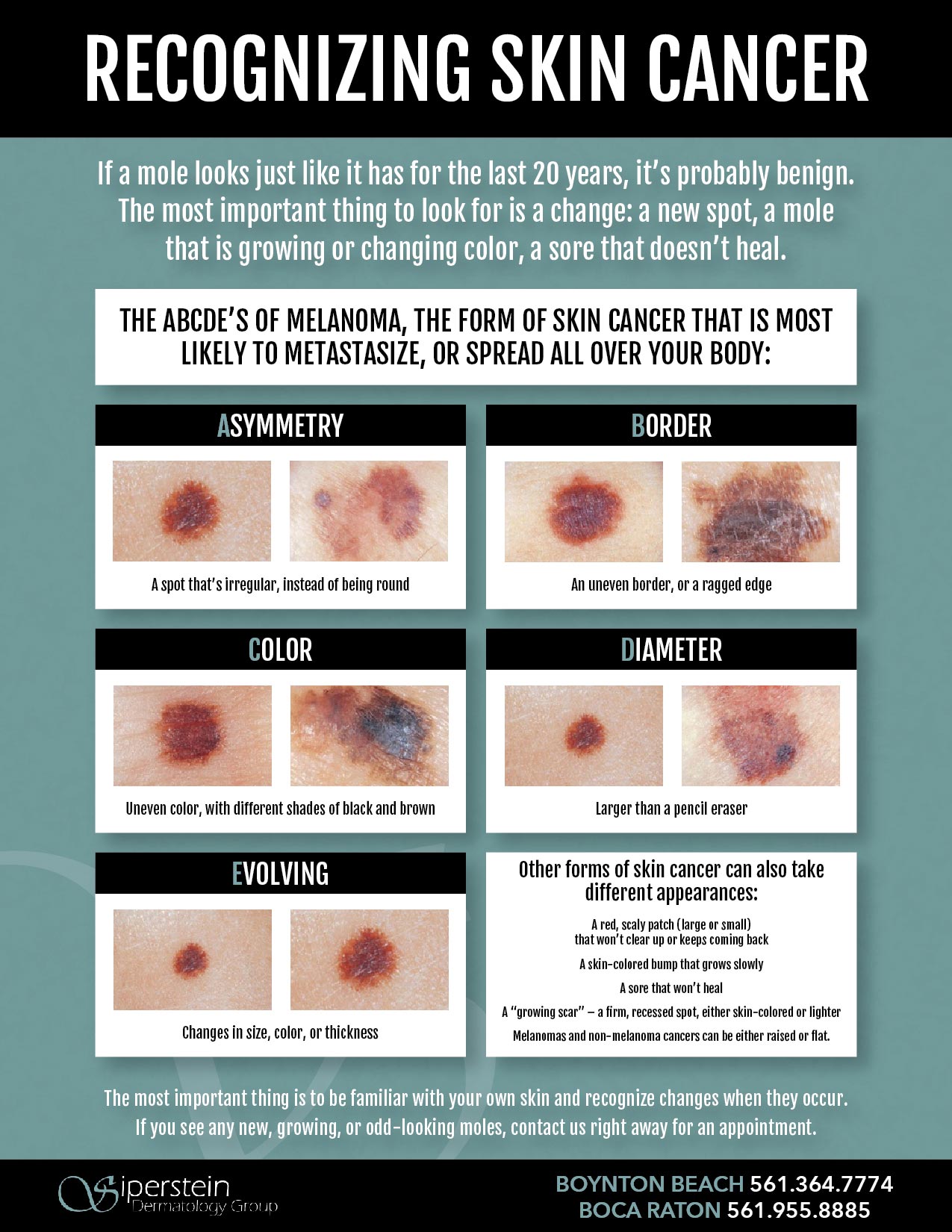
Flat, oblong locations of coloring, age places tend to appear on components of the body, such as the face, hands, arms, shoulders and feet, that are subjected to the sun. Most common in individuals older than 40, they can be freckle-sized or more than a half-inch in length, and variety in shade from brown to black. Age spots frequently base on locations of the body that are most regularly revealed to the sun, like the face, hands, neck, décolletage location, arms and legs. The key culprit behind age spots is cumulative ultraviolet (UV) exposure from the sunlight or tanning beds. When your skin is subjected to UV rays with time, it produces excess melanin-- the pigment that gives skin its color-- as a safety action.Age areas are generally harmless and not indicative of a significant clinical problem. Nevertheless, it's vital to differentiate age spots from various other skin disease, such as melanoma, which is a sort of skin cancer cells. Regardless of their name, age areas are not necessarily triggered by age. Ultraviolet (UV) light causes the overproduction of skin pigment called melanin.